In our original article, Reasons To Repaint Interior Walls, we explored the foundational reasons homeowners repaint, from clearing out trapped dust and boosting your mood to increasing home value and covering up scuffs. As materials change and damp Pacific Northwest seasons continue to wear on indoor spaces, we have updated and expanded our checklist for 2026 to bring you eleven clear signs that your home is ready for a fresh coat of paint.
Our homes are where we spend our most comfortable hours. Between rainy winter stretches and crisp fall evenings in the Pacific Northwest, we spend a lot of time indoors. Over time, that active home life begins to show on your walls, trim, and ceilings. Bumps, scuffs, accidental spills, and pet paws all take a steady toll on paint finishes.
Worn-down paint creates cosmetic issues that make a home feel neglected, but it also creates functional problems by leaving your drywall exposed to moisture. If you are wondering whether it is time to refresh your living space, look for these eleven practical signs.
Wall Wear Assessment: Matching Signs to Solutions
Use this quick guide to diagnose what is happening on your walls and see what steps will get them looking brand-new again:
| What You Notice | Why It Is Happening | What It Impacts | Best Course of Action |
|---|---|---|---|
| Allergy flare-ups indoors | Dust, pet dander, and contaminants clinging to textured walls | Air quality and breathing comfort | Thorough prep wash and application of low-VOC or anti-dust paint |
| Dents, scrapes, and marks | Daily accidents from furniture, kids, and pets | Wall protection and clean appearance | Patch with wall putty, sand flush, and seal with durable paint |
| Dull, uninspiring atmosphere | Outdated color scheme that clashes with your lifestyle | Room energy and daily mood | Pick an uplifting color palette tailored to how you use the room |
| Preparing to put home on the market | Dated walls showing normal cosmetic wear | Appraisal value, buyer appeal, and ROI | Repaint main living areas in warm, market-friendly modern neutrals |
| Paint chipping and flaking | Surface has lost its bond due to age or dampness | Drywall paper and lumber protection | Scrape away loose chips, spot-prime, and recoat |
| Chalky residue or dust coming off | Old paint binders breaking down on the wall | Cleanliness and surface durability | Wipe clean, seal with a binding primer, and apply high-grade enamel |
| Mold spots or water staining | Trapped moisture and humidity behind the paint | Drywall strength and indoor cleanliness | Remediate water source, kill spores, prime, and use mold-resistant paint |
| Visible drywall cracks and seams | Natural house settling and seasonal wood framing movement | Visual smoothness across ceilings and corners | Re-tape seams, reset popped fasteners, and apply flexible paint |
| Battered baseboards and door jambs | Heavy impact from vacuums, shoes, and moving items | Architectural sharpness of your woodwork | Sand out gouges, fill trim gaps with caulk, and apply durable enamel |
| Shiny “flashing” spots on walls | Scrubbing matte or builder-grade paint with cleaning cloths | Uniform light reflection across the room | Repaint wall using washable eggshell or ceramic-blend paints |
| It has been 5 to 7+ years | Natural breakdown of paint resins over time | Overall surface durability throughout the home | Schedule a routine maintenance repaint across high-traffic zones |
1. You Struggle to Breathe Easily or Notice Excess Dust on Walls
As we detailed in our original post, wall paint directly affects your indoor air quality. Textured walls and ceilings feature tiny grooves that naturally trap household dust, pet dander, and allergens over time.
Wiping your walls down with a damp cloth can pick up surface grime, but it will not capture everything. A fresh paint job locks away trapped dust particles and creates a smooth, clean surface that is easier to maintain. Modern zero-VOC and low-VOC paints eliminate the harsh fumes and chemicals of older coatings, ensuring your family breathes clean air indoors.
2. Unwanted Bumps, Scrapes, and Permanent Marks Everywhere
Accidents happen in every active household. Whether someone pulled out a dining chair too quickly, spilled soup, let furniture bump a hallway corner, or a child tested out permanent markers on the wall, marks add up.
Paint is your home’s cosmetic shield. Applying a fresh coat conceals everyday cosmetic damage after patching holes with quality wall putty. More importantly, a new coat adds a fresh protective buffer that shields your drywall from future scrapes and moisture.
3. Your Room’s Atmosphere Feels Tired and Uninspiring
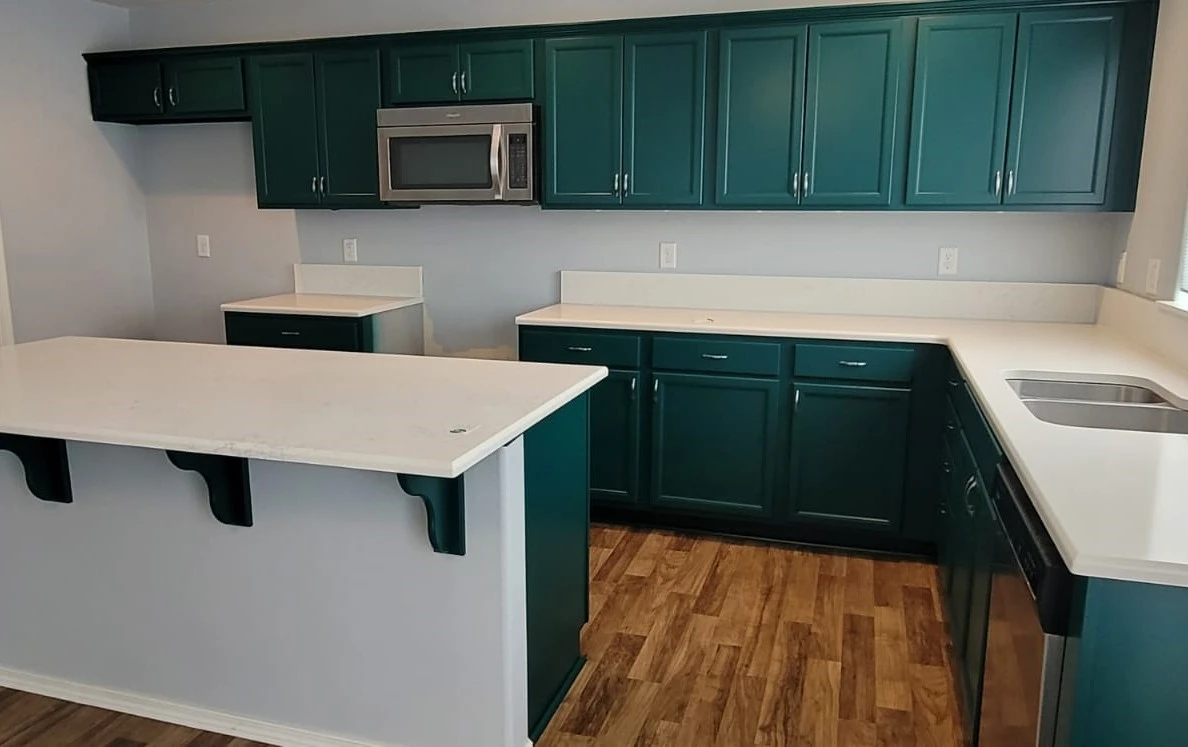
The spaces where we live should help us unwind, recharge, and feel comfortable. When you walk into your living room and feel underwhelmed or uninspired, your wall color is often the culprit.
Colors send subtle messages and directly shape our mood. Heavy dark tones can make a room feel closed-in, while bright and warm neutrals open up sightlines and bring a wider, uplifting feeling to your home. Changing your paint color is the fastest way to completely redefine a room’s atmosphere without tearing down a single wall.
If you are ready for a change but are not sure which colors to choose, check out our guide to The Top Interior Paint Color Trends of 2026.
4. You Want to Boost Your Home’s Resale Value
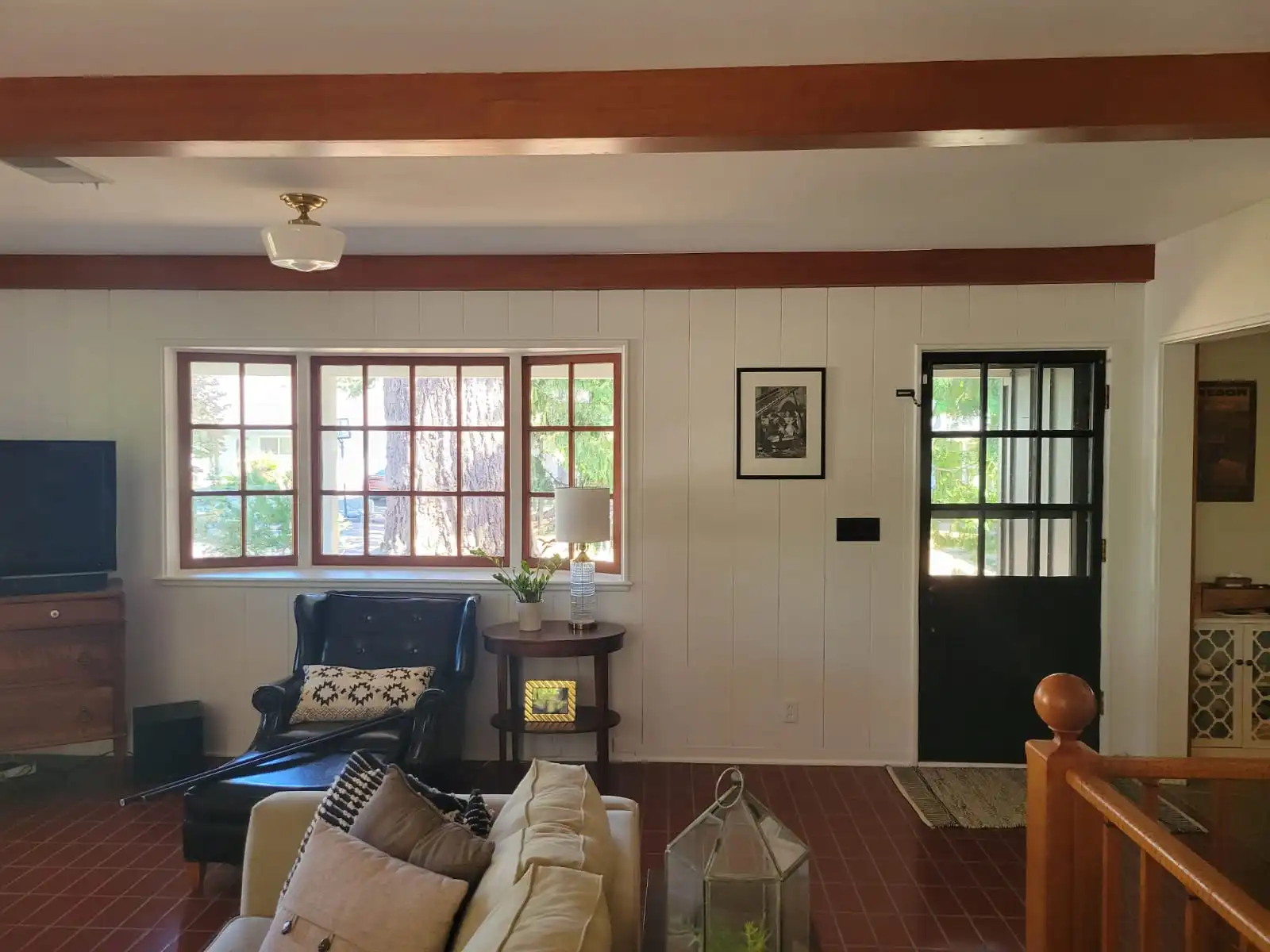
If you are planning to sell your home, or simply want to build equity, interior painting is one of the highest-value updates you can complete.
In fact, fresh interior paint consistently delivers an impressive return on investment (often over 100%). Clean, freshly painted walls in welcoming modern tones give house hunters the immediate impression that the home has been impeccably maintained, helping you attract strong offers and sell faster.
5. Paint Is Noticeably Chipping or Flaking
When paint begins chipping or flaking away from the wall, the problem has moved beyond simple cosmetic aging. Chipping means the coating has lost its physical adhesion to the surface beneath.
In Portland homes, this frequently happens near entryways where wet umbrellas and boots rest, or near bathroom vanities where steam circulates. Leaving chipped paint alone exposes the paper backing of your drywall to airborne moisture, which can cause the wall material to soften and break down.
6. A Chalky Residue or Dust Comes Off on Your Fingers
If you run your hand across your wall and your fingertips come away coated in a chalky powder, your paint film is breaking down.
This chalking effect occurs when the paint binders reach the end of their lifespan and begin degrading into loose pigment particles. Once paint starts chalking, it can no longer be scrubbed clean or protect your wall from moisture. It must be washed, sealed with a quality primer, and repainted.
7. Mold Spots or Water Stains Appear

Damp Pacific Northwest weather creates ideal conditions for moisture issues. If you spot small black specks, dark mildew patches, or yellowed water stains along your bathroom ceilings or around window trim, moisture is penetrating the surface.
Standard interior wall paint cannot stop moisture from soaking into drywall core paper. Addressing this requires repairing any leaks, cleaning the area with a mold-killing solution, and applying a specialized primer paired with moisture- and mold-resistant interior paint.
8. Hairline Cracks Along Drywall Seams and Corners
Portland homes naturally expand and contract as our weather transitions from freezing, rain-soaked winters to warm, dry summers. Running your furnace throughout the winter dries out interior framing, causing wood studs to shrink slightly before expanding again in the summer humidity.
This repeated seasonal movement often causes fine hairline cracks to spider across ceiling corners, staircase walls, and over doorways. It can also cause drywall screws to loosen and pop against the paint. A professional paint job includes securing fasteners, repairing tape joints, and applying flexible paints designed to hold up to natural home settling.
9. Chipped, Dented, or Scuffed Baseboards and Trim
While walls cover the most area, your baseboards, doors, and window trim take the brunt of everyday impacts. Running the vacuum cleaner, hauling groceries inside, and active pets bumping against doorways all leave scuffs and dented edges.
When trim paint wears away, it leaves raw wood or composite trim exposed to moisture and dirt. Freshly coated trim enamel with straight, clean lines sharpens the entire look of your home while protecting your woodwork against everyday kicks.
10. Shiny “Flashing” Spots Left Behind from Cleaning
Have you ever tried to scrub a smudge off your wall, only to leave behind an awkward, shiny patch that looks even worse than the original stain? That is known as “flashing.”
It happens when the friction of a sponge or cleaning cloth rubs away the delicate matte finish of builder-grade flat paint. Once a wall has flashed, the shiny spot cannot be wiped away; it will catch the light from every window. Upgrading your walls to a durable eggshell or washable satin finish gives you a surface you can clean regularly without ruining the finish.
11. It’s Been Five to Seven Years Since Your Last Repaint
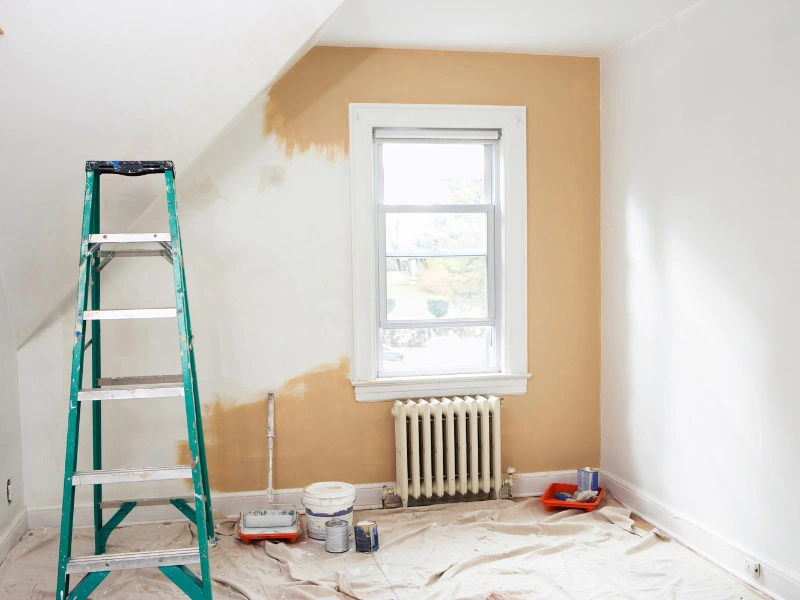
Paint does not last forever. The exact lifespan of your paint depends on the grade of paint applied and the amount of daily foot traffic the room receives:
- High-traffic spaces: Busy areas like kitchens, bathrooms, and hallways need a fresh coat every three to four years.
- Low-traffic spaces: Formal dining rooms, guest bedrooms, and home offices often stay in good shape for five to seven years.
If you cannot remember the last time your walls received a fresh coat, your paint has likely lost its flexibility and protective strength. A routine refresh keeps your home protected, clean, and looking its best.
Why Professional Application Makes the Difference
Getting a paint finish that looks seamless and holds up to active family life requires careful preparation:
- Surface repairs: Filling cracks and holes with quality wall putty and sanding every patch completely smooth.
- Air safety: Using certified low-VOC paints and taking proper safety precautions during prep to keep indoor air clean.
- Crisp architectural cut-ins: Creating straight, razor-sharp lines along ceilings, baseboards, and window casings.
- Even coverage: Applying premium, washable coatings that resist dust, stains, and scuffs for years to come.
Common Questions About Repainting Your Interior Walls
Busy areas like hallways, entryways, kitchens, and main bathrooms take daily punishment from shoes, bags, and moisture, so they typically need a fresh coat every three to four years. Quieter rooms with minimal foot traffic, such as formal dining rooms, guest bedrooms, and home offices, usually hold up well for five to seven years.
Yes. Textured walls and old paint coatings develop microscopic pits that collect pet dander, pollen, and household dust that vacuuming cannot remove. Applying a smooth new coat seals away trapped allergens. Using modern zero-VOC or low-VOC paints also eliminates harsh chemical odors, helping your home smell fresh and keep indoor air clean.
A chalky film means the binding ingredients holding the paint together have broken down over time. Once paint starts chalking, it can no longer protect your drywall from humidity or withstand regular cleaning. The surface must be washed, sealed with a bonding primer, and recoated with fresh paint to restore protection.
Portland homes experience significant seasonal shifts between damp outdoor air and dry indoor furnace heat. This cycle causes the wooden framing behind your drywall to shrink slightly in the winter and expand again in the summer. That natural movement tugs at your walls until older paint cracks. Repairing the drywall seams and applying a flexible modern paint allows surfaces to handle seasonal shifts without splitting.
That shiny patch is called flashing. It happens when cleaning friction wears away the delicate outer layer of low-sheen or builder-grade flat paint. Once the finish wears smooth, it reflects light differently than the rest of the wall and cannot be washed away. Repainting with a durable eggshell or washable satin finish allows you to clean off daily smudges without altering the sheen.
Bring New Life to Your Home’s Interior
If your walls are showing wear, peeling, or simply do not reflect your style anymore, our local crew is ready to help.
At JK Paint & Contracting, we have experienced professional painters serving the entire Portland Metro area, including Newberg, Beaverton, Lake Oswego, Sherwood, Tigard, and surrounding communities. We specialize in painting interior walls, trim, doors, cabinets, and ceilings, delivering smooth, durable finishes backed by dependable local service.
Contact JK Paint & Contracting today to schedule your consultation and get a free, detailed estimate for your home!