If you live in Portland, here’s why painting your home’s exterior deserves more thought than you might expect
If you live in the Portland area and you’re thinking about freshening up your home’s exterior, you probably know rain and damp weather are part of everyday life. But what might surprise you is that those weather patterns do more than leave siding looking dreary — they can significantly shorten the lifespan of paint, especially if you skip a few smart prep steps. Over time, repeated moisture, persistent humidity, and long stretches of dampness wear on siding and trim, causing peeling, mildew, and even wood damage.
In this post, we walk you through how Portland’s rainy climate affects paint longevity — and what you can do about it. From picking the right type of paint and primer to timing your job, prepping properly, and keeping up maintenance — these are tried-and-true tips to get the most life out of your next exterior paint job.
Why Portland’s weather matters more than you might think
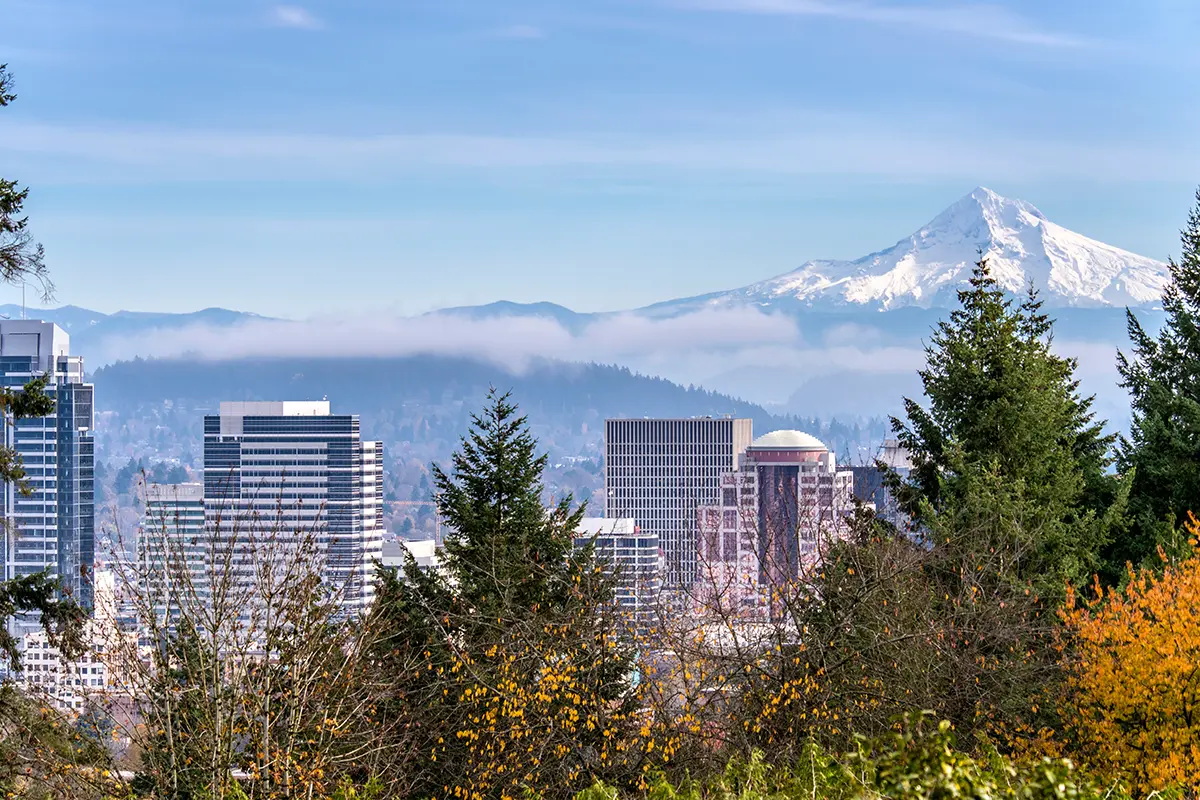
Frequent rain + long damp seasons = trouble for paint
Portland gets a lot of moisture. The region sees as many as 155 days of measurable precipitation each year, mostly rain. In some areas the average annual rainfall reaches around 36 inches to 60 inches, depending on the neighborhood.
Even worse, the problem isn’t just quick downpours — it’s how often siding stays wet, or damp, long after the rain stops. That kind of persistent moisture and humidity is exactly what undermines paint adhesion, speeds up mildew and algae growth, and can eventually lead to wood decay.
Moisture — not just rain — is the enemy
It’s not just about the puddles. Surfaces often remain damp because of overcast skies, repeated drizzle, or moisture trapped in siding — especially on shaded sides of a house or under eaves. In climates like Portland’s, that leads to a higher risk of paint problems than you’d see in a sunny, dry area.
How moisture and humidity actually shorten paint lifespan
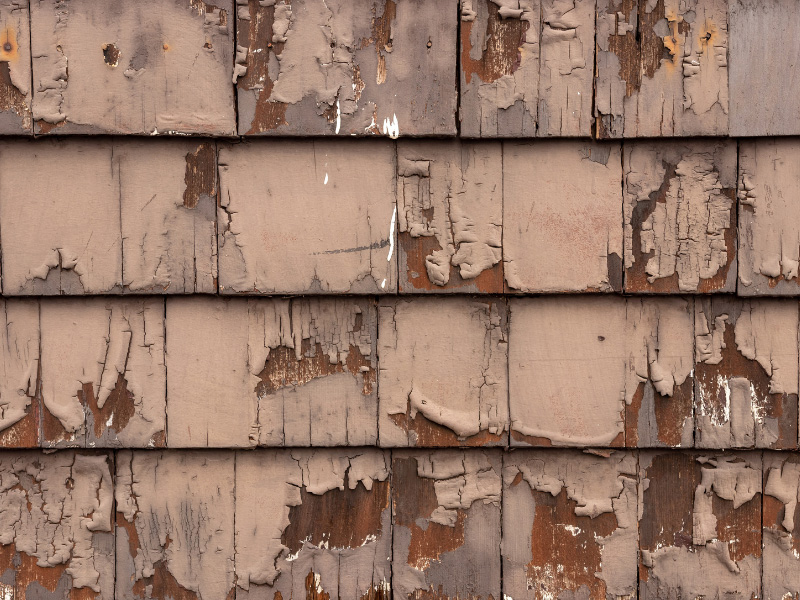
1. Poor adhesion = peeling, flaking, blistering
If siding or trim is damp — even just slightly — when you paint, paint will struggle to bond properly. That trapped moisture can lift paint off wood or siding, resulting in blistering, flaking, or peeling over time. Once that happens, water can seep in further, accelerating decay beneath your paint.
2. Slow drying & incomplete curing in humid conditions
High humidity and cooler temperatures mean slower drying times. That’s a big deal: when paint doesn’t cure fully, the film can stay soft and less resilient to wear, meaning rain and regular weather exposure wear it down faster. In damp climates, water-based paints that dry slowly (or are applied during humid weather) are particularly vulnerable.
3. Mildew, algae, and staining — especially on north- or shaded walls
Damp, shaded areas (north-facing walls, under eaves, near landscaping) stay moist longer and often don’t get enough sun to dry out between rain cycles. That creates a prime environment for mildew or algae to take hold. Once surface mold or mildew gains a foothold, it can discolor paint, degrade the binder, and reduce longevity — sometimes within a few years. Kaufy Painting+1
4. Wood movement + freeze-thaw cycles = cracking and film failure
In the Pacific Northwest, siding wood (or trim, fascia, etc.) constantly expands and contracts with changes in moisture and temperature. That movement strains paint films — especially if the paint is too rigid or if there are pre-existing weak spots. Over time, these micro-stresses can cause cracking, splitting, or loss of adhesion.
What works: Paint systems and practices that stand up to Portland’s climate
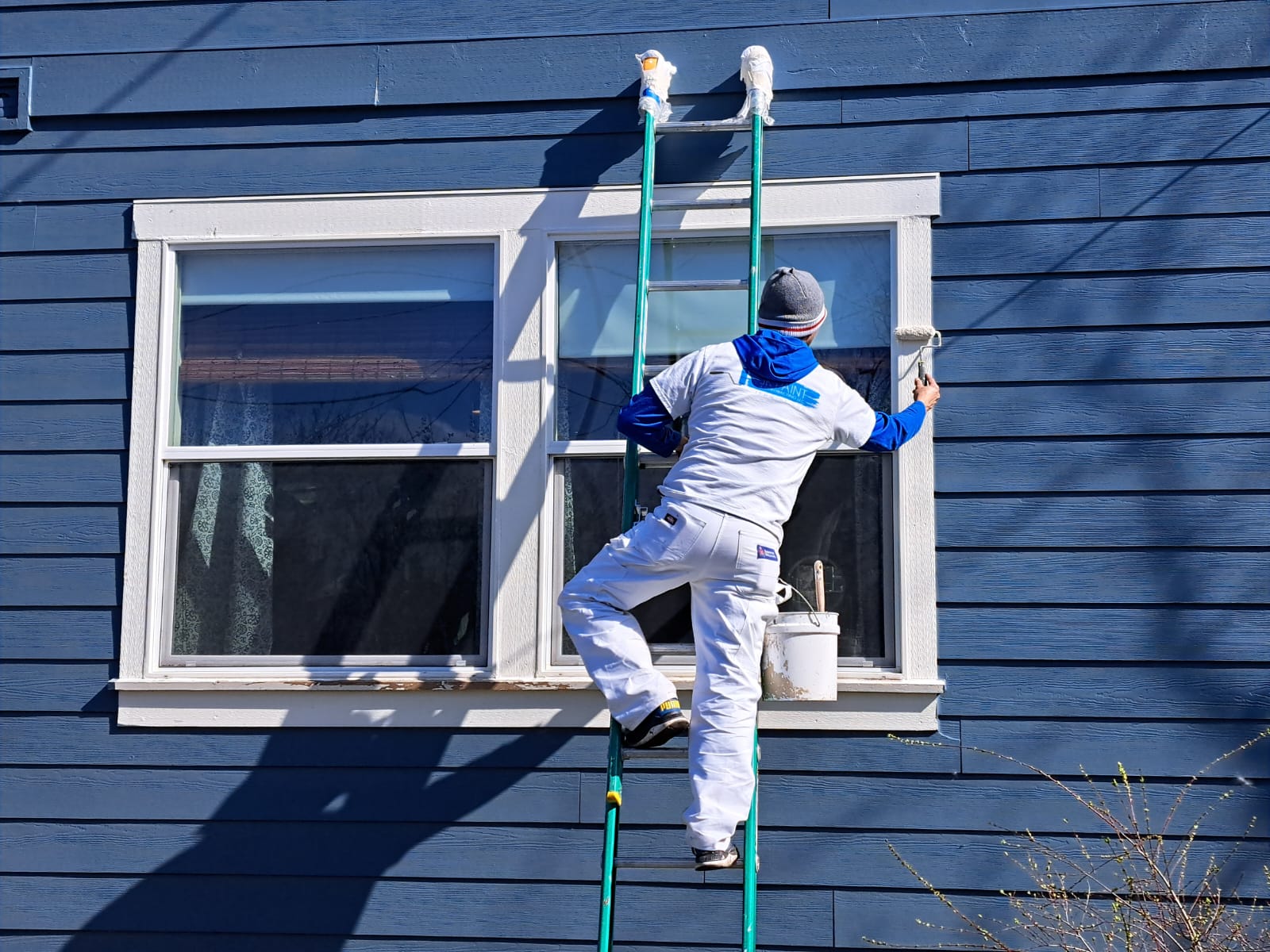
➤ Use quality exterior acrylic-latex paints built for moisture, mildew & flexibility
If you want a paint job that lasts, skip bargain-bucket paints. Look for premium 100 % acrylic-latex exterior paints labeled “moisture-resistant,” “mildew-resistant,” or “all-weather.” These stay flexible, shed water, and resist mildew — all key in a damp climate like ours.
For example, paints marketed with moisture-ready or mildew-resistant technology are designed to bond tightly, flex with siding, and resist early moisture even if unexpected rain shows up soon after painting.
➤ Prime properly — don’t skip the primer (especially on bare wood or patched areas)
Primers play a huge role in adhesion. If siding is bare wood, patched, or previously stained, use a high-quality, breathable exterior primer designed to handle moisture and allow vapor transmission. A good primer reduces the risk of peeling and helps the topcoat last longer.
➤ Pay attention to flashing, caulking, drainage — paint helps, but it’s not a waterproofing fix
No paint system can compensate for water intrusion or bad drainage. Before painting: check gutters, flashing, caulking around windows/doors, eaves, and roof overhangs. Repair any leaks, rot, or drainage issues first — otherwise water will find a way behind the paint regardless of how good it is.
➤ Timing and conditions matter — treat exterior painting like a weather-sensitive project
Because Portland’s weather is unpredictable, the timing of your painting matters more than anywhere with steady sun. Ideally:
- Paint in late spring through summer, when rain chances are lower and days are warm.
- Wait for a stretch of dry weather — at least 24–48 hours after painting before any rain is expected.
- Ensure surface and air temperatures fall within the paint manufacturer’s recommended range (often 50 °F and above) and avoid painting during damp mornings, heavy overcast, or when siding is still holding moisture.
What you (as a homeowner or contractor) should do — a practical prep + maintenance checklist
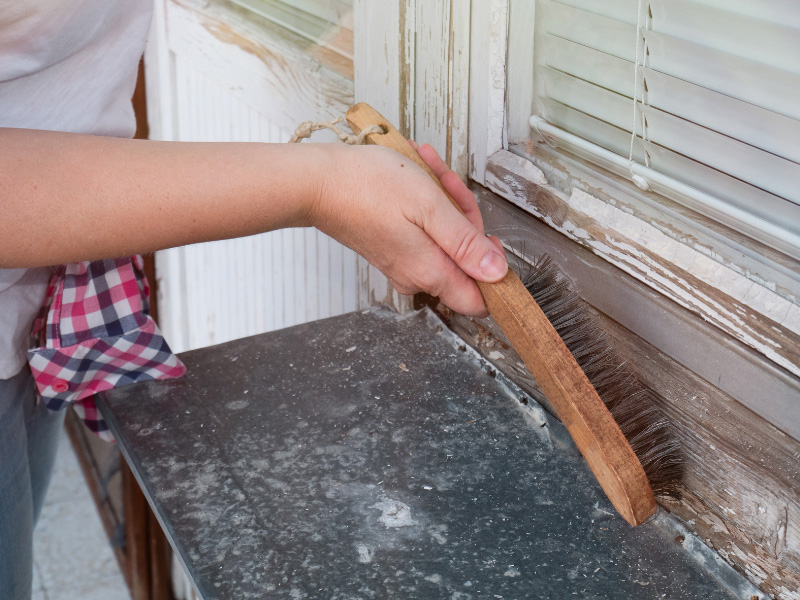
 Prep & painting checklist
 Prep & painting checklist
- Pressure-rinse siding to remove dirt, mildew, chalk, and residual contaminants — especially if the house hasn’t been cleaned in years. Let siding dry thoroughly.
- Scrape and sand any loose paint, feather edges so new paint can “bite” the old surface instead of lifting off at a hard demarcation.
- Replace or repair any rotten or damaged wood, deteriorated caulk, and ensure flashing/gutters are working properly before painting begins.
- Prime bare wood, patched areas, or previously weathered surfaces with a moisture-tolerant exterior primer.
- Use premium exterior acrylic-latex paint with mildew resistance, and apply two thin, even coats rather than one thick one.
- Follow manufacturer instructions for application and drying times — don’t rush recoating or expect a full cure right away, especially in damp air.
Ongoing maintenance tips (first line of defense between repaints)
 Ongoing maintenance tips (first line of defense between repaints)
- Once a year (preferably after the wet season), inspect siding for mildew, mold spots, peeling edges, or failed caulk/sealant.
- Wash away mildew or surface mold promptly using a mild bleach solution or a mildew-remover, rinse, and allow to dry. Prompt action can prevent deeper penetration.
- Re-caulk or reseal joints, windows, trim, and along foundations every 3–5 years to keep a tight barrier against moisture.
- If paint begins to show wear around high-exposure areas (eaves, trim, north-facing walls), plan touch-ups — better to spot-repair early than wait for widespread failure.
What longevity you can expect (and when paint starts to break down)
Given the realities of damp weather and frequent rain in Portland, here’s a rough guideline (assuming proper prep, good materials, and maintenance):
- Well-prepared wood siding with premium paint and regular maintenance: 10–15 years — though north-facing or heavily shaded walls may wear faster.
- Trim, fascia, and high-exposure horizontal surfaces (soffits, railings, etc.): likely 6–10 years, because they take more direct exposure to sun, rain, and temperature swings.
- Homes where prep was skipped, caulking is old/failed, or flashing/drainage is faulty: problems — peeling, mildew, rot — can start in as little as 2–4 years.
If paint fails early, it’s often not paint’s “fault” — it’s lack of prep, poor moisture management, or painting under bad conditions.
Final thoughts — painting in Portland? Plan smart, paint smart, maintain smart

If there’s one truth about painting exteriors in Portland, it’s this: **the paint doesn’t fail — poor prep + moisture + skipped maintenance_ do. Done correctly, with quality materials, good timing, and periodic upkeep, a painted exterior can still look great and hold up for a decade or more.
A couple simple commitments go a long way: keep siding dry, make sure water is shed away by your gutters and flashing, use a paint system built for humidity, and inspect yearly. If you do that — you won’t just get a fresh look; you’ll get peace of mind, fewer callbacks, and real value.
Get The Most Longevity With JK Paint
Want to get the most life out of your exterior paint? Consider partnering with a professional painting company like JK Paint. With 300+ reviews and over a decade of experience, we’ve perfected the preparation process to ensure your Portland-area home gets the longest-lasting results possible. We also use only high-quality paints and materials—not the cheap products that fade or chip prematurely.
If you’d like a free exterior painting quote, click here to get started.